
Commercial Roof Maintenance Inspections Help Prevent Leaks, Extend Roof Life, and Reduce Costly Emergency Repairs.
Many commercial property owners understand that roof inspections are important, but few know what actually happens during the process.
Some assume an inspection consists of a contractor walking around the roof for a few minutes before providing a quote. In reality, a thorough commercial roof inspection is a detailed evaluation designed to identify current issues, uncover hidden concerns, and help building owners make informed decisions about maintenance, repairs, restoration, or replacement.
At Key Roof Solutions, commercial roof inspections are one of the most valuable services we provide because they help identify problems before they become costly surprises.
Why Commercial Roof Inspections Matter
Commercial roofs are exposed to weather, UV radiation, temperature changes, foot traffic, and rooftop equipment year after year.
Unlike interior building systems, roofing problems often develop out of sight. A small membrane failure, deteriorating flashing, or drainage issue may go unnoticed for months or even years before water appears inside the building.
By the time a leak becomes visible, significant damage may already exist beneath the roofing system. ( Commercial Roof Inspection Reveals More Than Just a Leak )
Routine inspections help identify developing problems early, giving building owners more options and often reducing repair costs.
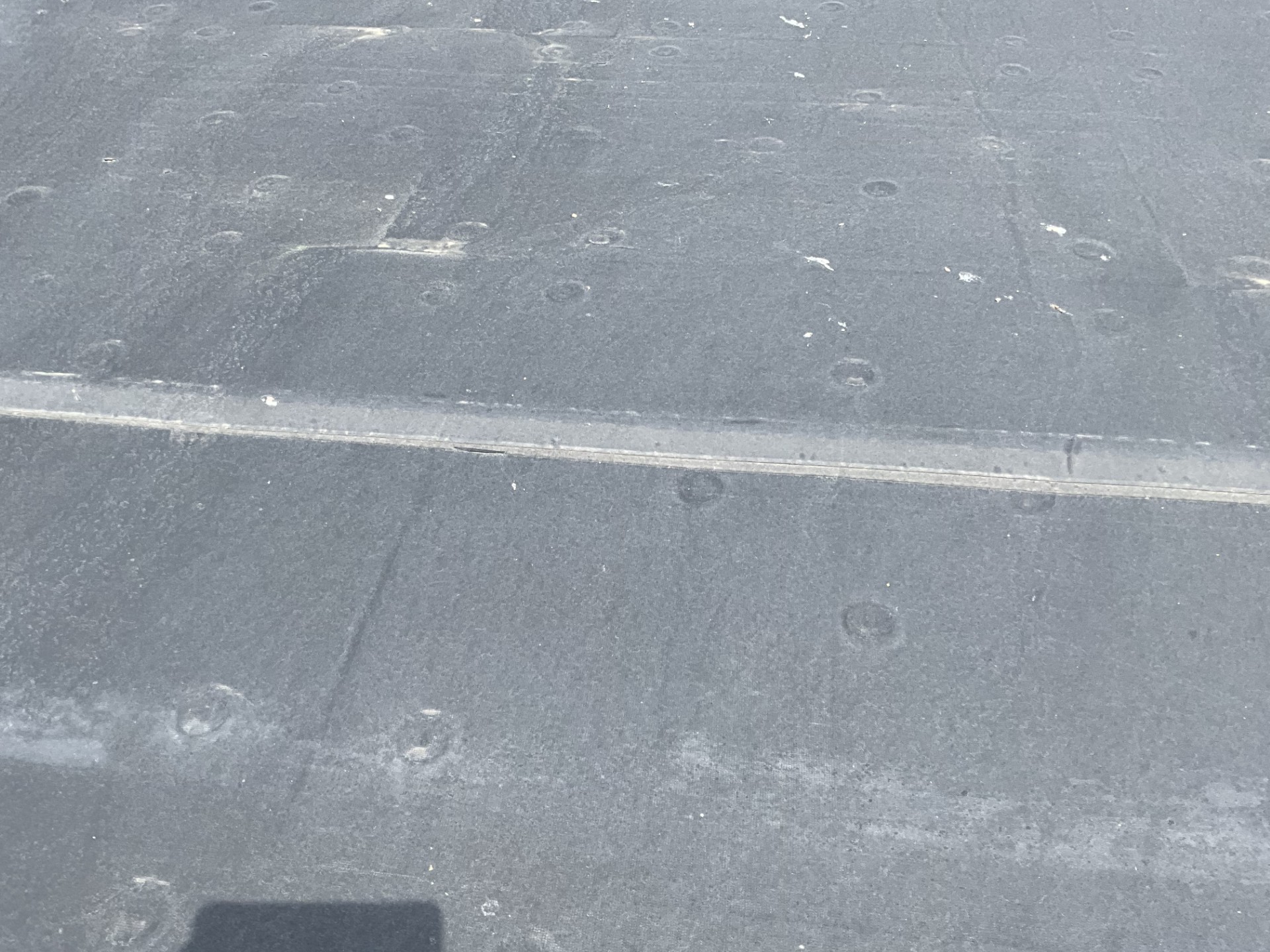
Step 1: Evaluating the Roof Membrane
The first part of most commercial roof inspections involves evaluating the condition of the roofing membrane itself. Depending on the roofing system, our commercial roof inspectors look for signs of:
• Membrane wear
• Cracks or splits
• Open seams
• Punctures
• Surface deterioration
• Aging materials
• Previous repair failures
Even minor defects can eventually allow moisture to enter the roofing system. One of the goals of an inspection is determining whether small issues can be repaired before they develop into larger problems. (Commercial Roof Inspection Reveals More Than Just a Leak )
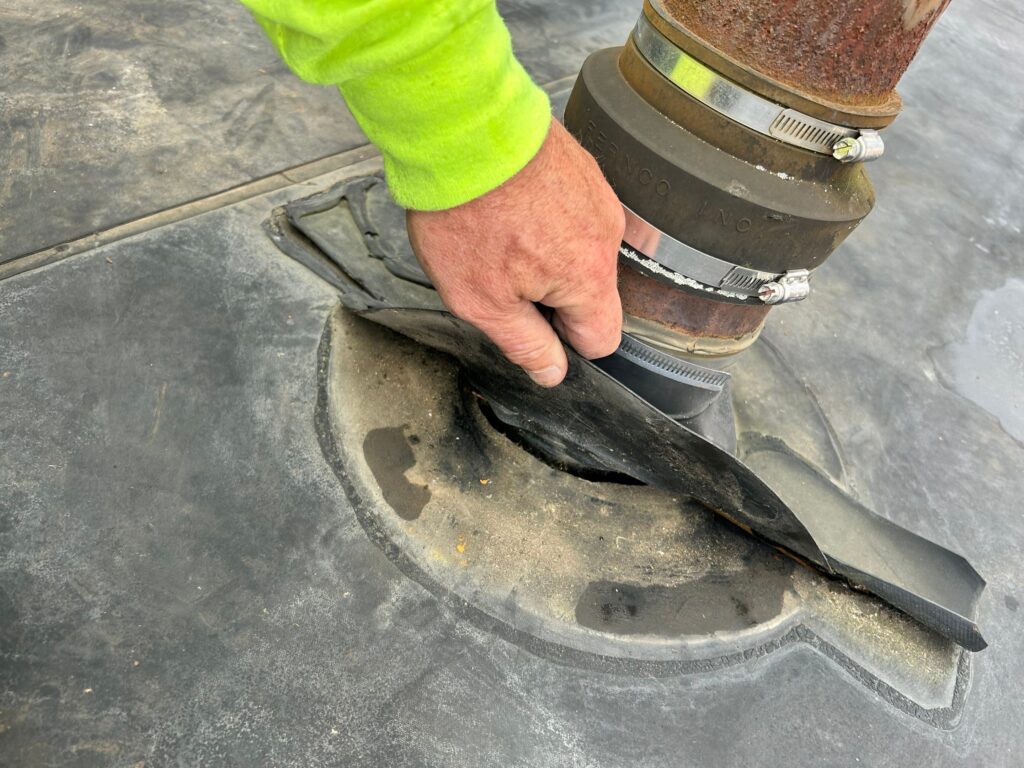
Step 2: Inspecting Roof Seams and Penetrations
Many commercial roof leaks begin around penetrations and transitions rather than in open roof areas. Inspectors carefully evaluate areas surrounding:
• HVAC equipment
• Plumbing vents
• Exhaust systems
• Electrical penetrations
• Skylights
• Mechanical curbs
These locations experience additional movement and stress, making them common leak points. Seams and weld points are also examined to ensure roofing materials remain properly sealed and watertight.

Step 3: Checking Flashings and Roof Edges
Penetrations are among the most common sources of commercial roof leaks. During inspections, we evaluate flashings around vents, pipes, HVAC curbs, and other rooftop equipment to identify separation, deterioration, or failed repairs before moisture enters the roofing system.Flashing systems play a critical role in protecting vulnerable areas of the roof. During an inspection, attention is given to:
• Edge metal
• Counter flashing
• Copings
• Gutters
• Collector boxes
• Downspouts
• Wall transitions
Damaged or deteriorated flashing can allow water intrusion even when the primary roofing membrane remains in good condition. Because these components are exposed to constant expansion and contraction, they often require periodic maintenance throughout the life of the roof.


Step 4: Evaluating Drainage and Ponding Water
During inspections, ponding water is one of the first conditions we evaluate. Standing water can indicate clogged drains, compressed insulation, inadequate slope, or developing structural concerns. Left unaddressed, ponding water can accelerate membrane deterioration and increase the likelihood of leaks.
Water is one of the biggest threats to any commercial roofing system and an important part of every inspection involves evaluating how effectively water is draining from the roof surface.
Our commercial roof inspectors are looking for:
• Pooling or ponding water (standing water)
• Blocked drains
• Debris accumulation
• Drainage restrictions
• Low areas in the roof system
Standing water may indicate developing structural issues, insulation compression, drainage deficiencies, or membrane deterioration. In many cases, ponding water is an early warning sign that should not be ignored.


Step 5: Reviewing Rooftop Equipment and Access Areas
Commercial roofs often support numerous mechanical systems.
During an inspection, roofing professionals evaluate areas surrounding rooftop equipment to identify damage caused by maintenance activities, foot traffic, or vibration. Rust staining around rooftop equipment can indicate ongoing moisture exposure, condensation issues, deteriorated sealants, or drainage concerns. These conditions often provide valuable clues during an inspection.
Inspectors may also review:
• Roof access points
• Access ladders
• Roof hatches
• Safety equipment
• Access flashings
These areas are frequently overlooked but can become sources of future problems if not properly maintained.

Step 6: Looking for Signs of Storm Damage
Ohio weather can be particularly hard on commercial roofing systems. Wind, hail, snow, ice, and severe storms can all affect roof performance.
A commercial roof inspection often includes evaluation for:
• Hail impacts
• Wind damage
• Displaced roofing materials
• Damaged flashing
• Debris-related damage
Identifying storm damage early can help building owners make informed decisions regarding repairs and insurance claims.

Step 7: Documenting Findings
A professional commercial roof inspection should provide more than verbal observations. At Key Roof Solutions, inspections are documented through photographs, written observations, and recommendations based on the roof's condition.
This documentation helps building owners:
• Understand current roof conditions
• Prioritize repairs
• Budget for future maintenance
• Track roof performance over time
• Plan for eventual restoration or replacement
The goal is not simply to identify problems but to provide useful information that supports better decision-making.
What Happens If Problems Are Found?
Finding issues during an inspection does not automatically mean roof replacement is necessary. In many situations, the best solution may be:
• Preventative maintenance
• Minor repairs
• Flashing repairs
• Membrane restoration
• Drainage improvements
One of the advantages of routine inspections is that problems are often identified while they are still manageable and less expensive to address. The earlier an issue is discovered, the more options building owners typically have.
How Often Should a Commercial Roof Be Inspected?
Most commercial roofing systems benefit from at least two inspections each year. Key Roof Solutions customizes each commercial roof maintenance program to the need of the individual building and decision maker, which could mean annual or quarterly inspections - depending on each situation. Many building owners experience the most benefit in scheduling their commercial roof inspections:
• In the spring after winter weather
• In the fall before winter arrives
• Following major storm events
The routine inspections provided in our commercial roof maintenance programs help create a historical record of roof conditions while reducing the likelihood of unexpected roofing emergencies.
Protect Your Investment With Regular Roof Inspections
 Your commercial roof protects everything beneath it, including employees, equipment, inventory, tenants, and daily operations. A professional commercial roof inspection provides valuable insight into the condition of your roofing system and can help identify issues before they become costly disruptions.
At Key Roof Solutions, our commercial roof inspections are done at the beginning of a project - to determine the health of the roof and provide the best recommendations, AND as part of preventative maintenance with all of our commercial roof maintenance programs. Each inspection is designed to help building owners understand their options, extend roof life, and make informed decisions about maintenance, repairs, restoration, and replacement. If you do not have a commercial roof maintenance program and your commercial roof has not been inspected recently, now is the time to take a proactive approach to protecting your investment.


